
How Do I Know If My Child Is Ready to Learn Independently in Homeschooling with AI

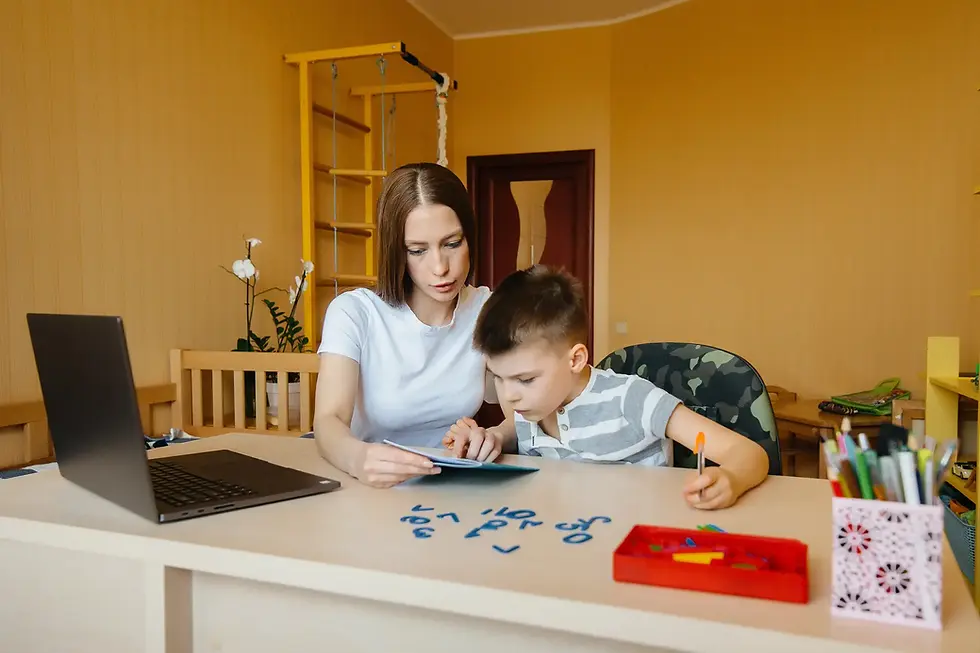
One of the biggest shifts in homeschooling is moving from guided learning to independent learning. In the early stages, children rely heavily on parents for direction, explanation, and motivation. Over time, the goal is to help them take ownership of their learning. But knowing when a child is truly ready for independence can be difficult. When AI tools are introduced into homeschooling, this transition becomes even more nuanced. AI can support independence, but it can also create dependency if used incorrectly.
This creates an important question for parents. How do you know if your child is ready to learn independently? Teaching AI literacy for kids helps clarify this transition by focusing on how a child engages with learning rather than how much they complete. With structured platforms such as LittleLit, independence becomes something that can be developed intentionally rather than assumed.
Why Independence Is Not Just About Working Alone
Many parents assume that independence means a child can complete tasks without help. While this is part of it, true independence goes deeper. It involves the ability to think through problems, stay engaged without constant supervision, and take responsibility for learning.
In homeschooling with AI, this distinction becomes important. A child may appear independent because they can complete assignments using AI tools, but this does not always mean they are thinking independently.
Teaching AI literacy for kids helps children understand how to use AI as a guide rather than a replacement for their own thinking. Learning systems such as the AI curriculum for kids support this by encouraging active engagement with concepts rather than passive completion.
Signs Your Child Is Ready for Independent Learning While Homeschooling with AI
Readiness for independence is not based on age or grade level. It is based on behavior and mindset. A child who is ready to learn independently shows curiosity, asks questions, and takes initiative. They are able to stay focused on tasks and work through challenges without immediately seeking help.
AI can support this readiness when used correctly. Tools such as the AI homework helper for kids allow children to explore concepts, test their understanding, and find guidance when needed. When children use AI to support their thinking rather than replace it, it is a strong indicator that they are ready for more independence.
How AI Can Support the Transition to Independence
AI can act as a bridge between guided and independent learning. It provides support without requiring constant parental involvement. This allows children to take more responsibility while still having access to guidance.
In homeschooling with AI, this transition can be gradual. Parents can step back while ensuring that the child remains engaged and supported. Creative environments such as AI projects for K–12 students encourage children to take initiative, explore ideas, and manage their own learning process. This builds confidence and reinforces independence.
Teaching AI Literacy for Kids to Prevent Dependency
While AI can support independence, it can also create dependency if children rely on it for answers without thinking. Teaching AI literacy for kids helps prevent this by encouraging children to question, reflect, and engage with their learning.
Resources such as student AI safety and ethics learning guide children in understanding how to use AI responsibly. This ensures that independence is built on strong thinking skills rather than reliance on technology.
Why Struggle Is an Important Part of Independence
Parents often try to remove struggle to make learning easier, but struggle is an important part of growth. When children work through challenges, they develop problem solving skills and resilience.
In homeschooling with AI, it is important to allow space for this process. AI should guide the child, not remove the challenge entirely. When children learn to navigate difficulty with support rather than avoidance, they become more confident and independent learners.
Balancing Freedom and Structure in Independent Learning
Independence does not mean a lack of structure. Children still need clear expectations and a consistent learning environment. The goal is to create a balance where children have the freedom to explore while maintaining accountability.
Platforms such as LittleLit provide this balance by offering structured learning paths while allowing flexibility. This helps children build independence within a supportive framework.
What Independent Learning Really Looks Like
A child who is ready for independent learning does not just complete tasks alone. They engage with their work, ask meaningful questions, and take responsibility for their progress. They use tools such as AI to support their thinking, not replace it.
When these behaviors are present, independence becomes a natural part of the learning process. Homeschooling with AI makes it possible to support this transition in a way that is both flexible and intentional.
FAQs
How do I know if my child is ready to learn independently in homeschooling with AI
If your child can stay focused, ask questions, solve problems, and use AI as a support tool rather than a shortcut, they are ready for independent learning.
Can AI help children become independent learners
Yes. When used correctly, AI provides guidance that allows children to work through challenges without constant supervision.
How do I prevent my child from becoming dependent on AI
Teach them to question responses, reflect on their learning, and think through problems before relying on AI.
Should I step back completely once my child becomes independent
No. Independence should be supported with structure and occasional guidance to ensure consistent progress.
Why is struggle important for independent learning
Struggle helps children develop problem solving skills and resilience, which are essential for independence.


