
How Families Are Homeschooling While Traveling in Summer 2026
Updated: Aug 25

For many families, summer no longer means pressing pause on education. Parents are taking road trips, visiting new destinations, working remotely, and creating experiences that extend far beyond the classroom. At the same time, they want their children to continue developing their reading, writing, problem-solving, and critical-thinking skills throughout the break.
This growing lifestyle has contributed to the rise of homeschooling while traveling approaches, often called roadschooling, where learning happens through travel experiences, real-world exploration, and flexible educational activities. Many families are also turning to AI-powered homeschool learning tools that make it easier to keep learning consistent from airports, hotels, campgrounds, and anywhere in between.
In this guide, we explore how traveling families are managing summer learning in 2026, practical ways to keep children engaged on the move, and how flexible homeschooling is helping families combine education with adventure.
Key Takeaways
Roadschooling combines homeschooling with travel and real-world learning experiences.
Short, consistent learning activities work better than trying to recreate a full school day while traveling.
Museums, historical sites, national parks, budgeting, and navigation can turn travel into practical learning opportunities.
Reading, travel journals, STEM activities, and destination research help maintain important skills during summer.
Flexible schedules help families balance academics with sightseeing, travel days, and family time.
AI-powered homeschool tools can support portable learning, flexible planning, and consistent learning from different locations.
Table Of Contents
Portable Learning Ideas for Airports, Hotels, and Road Trips
Keeping Reading, Writing, and STEM Skills Sharp During Summer
Financial Literacy and Life Skills Kids Learn While Traveling
Best Educational Activities Families Can Do During Vacations
Why More USA Families Are Choosing Flexible Homeschooling in 2026
What Is Roadschooling and Why Is It Growing So Fast?

Roadschooling is a form of homeschooling where travel becomes part of the learning experience. Instead of learning only from textbooks or worksheets, children learn through places, people, cultures, museums, historical sites, national parks, and everyday experiences encountered during travel.
While traditional homeschooling often takes place at a fixed location, roadschooling allows families to take learning on the road without putting education on hold.
Families exploring flexible learning styles can also read this guide on homeschool styles and AI support.
Why More Families Are Choosing Roadschooling
Several factors have contributed to the growth of roadschooling in recent years. Greater flexibility in work and travel, increased access to digital learning tools, and a growing interest in experiential learning have made it easier for families to learn while exploring new places.
What Makes Roadschooling Different?
Traditional Learning | Roadschooling |
Learning from textbooks | Learning through experiences |
Fixed learning environment | Learning from different locations |
Scheduled lessons | Flexible learning opportunities |
Classroom examples | Real-world examples |
A history lesson becomes more meaningful when a child visits a historical landmark. Geography becomes easier to understand when they travel through different states or regions. Budgeting, planning, and navigation become practical life lessons rather than classroom exercises.
This focus on real-world experiences is one reason roadschooling is often associated with experiential learning for kids, where curiosity and discovery play a larger role in the learning process.
For many families, roadschooling is not about replacing academics. It is about combining structured learning with experiences that help children see how knowledge applies in everyday life.
LittleLit AI Homeschool Plans and Pricing Options
How Families Keep Kids Learning During Summer Vacations
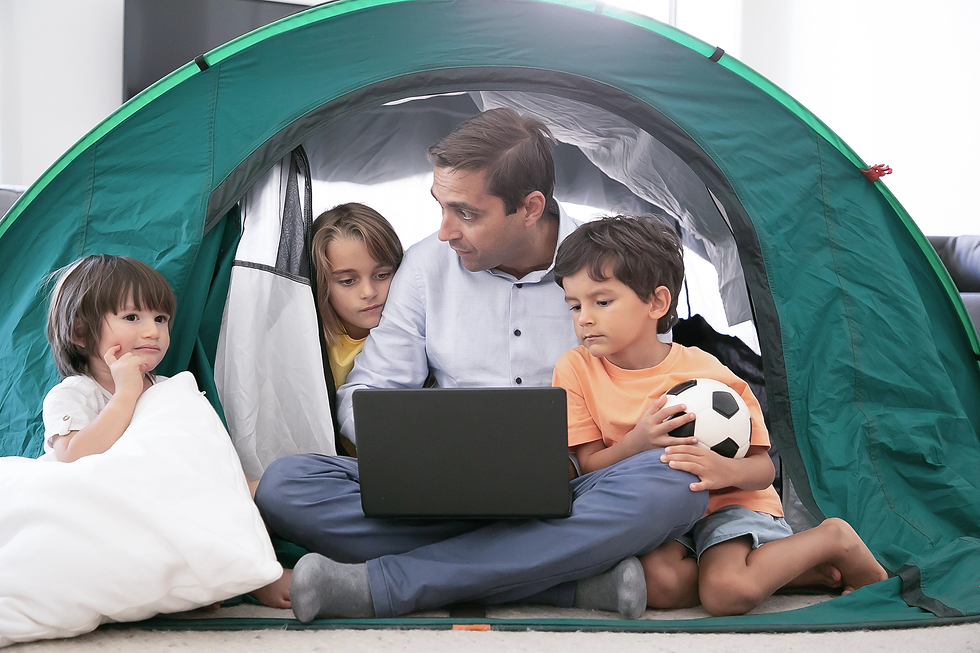
One of the biggest misconceptions about summer homeschooling is that children need a formal school schedule to keep learning. In reality, many traveling families maintain academic progress through short, consistent activities that fit naturally into their day.
Learning often happens in small moments. A child might read during a flight, write about a museum visit, calculate travel expenses, or research the history of a destination before arriving.
1.Simple Ways Families Keep Learning Going
Reading during travel time.
Keeping a travel journal.
Exploring local history and culture.
Solving real-world math problems.
Completing short STEM challenges.
Researching places before visiting them.
2.Learning Happens Everywhere
Travel Experience | Learning Opportunity |
Visiting a historical site | History and research |
Planning a route | Geography and navigation |
Managing a travel budget | Math and financial literacy |
Exploring nature | Science and observation |
Writing about experiences | Reading and writing practice |
Families traveling through different regions or countries also use learning opportunities to build communication skills and cultural awareness. Some children benefit from AI support for multilingual and ESL learning while exploring new places and interacting with different communities.
The most successful traveling homeschool families do not try to recreate a classroom on the road. Instead, they look for opportunities to turn everyday experiences into meaningful learning moments.

The Biggest Challenges Traveling Homeschool Families Face

Travel offers incredible learning opportunities, but it also comes with challenges. Families who successfully homeschool while traveling often discover that flexibility is just as important as curriculum.
The good news is that most challenges can be managed with simple routines, realistic expectations, and the right learning tools.
Challenge | Common Solution |
Unpredictable travel days | Focus on weekly goals instead of daily schedules |
Limited learning materials | Use digital and portable resources |
Long drives and flights | Keep activities short and flexible |
Changing routines | Maintain a few consistent learning habits |
Different learning environments | Create a simple travel-friendly routine |
Not Every Day Needs to Be a School Day
One mistake some families make is trying to follow the same schedule they use at home. Travel days are often busy, unpredictable, and full of new experiences.
Instead of expecting several hours of lessons, many roadschooling families focus on reading, journaling, discussions, and real-world learning opportunities during those days.
Keeping Learning Materials Simple
Packing multiple textbooks, workbooks, and supplies can quickly become impractical. This is one reason many families choose a flexible homeschool curriculum that can be accessed from different locations without carrying large amounts of material.
For example, parents using AI-powered curriculum tools for flexible learning can continue supporting learning even when plans change unexpectedly.
Balancing Travel and Academics
The goal of roadschooling is not to complete every lesson exactly as planned. The goal is to keep children learning consistently while allowing them to fully experience the places, people, and opportunities that travel provides.
Families who embrace flexibility often find that travel itself becomes one of the most valuable parts of their child's education.
How AI Homeschool Platforms Simplify Learning on the Go

One of the biggest advantages of modern homeschooling is that learning no longer needs to happen in one fixed place. A child can read during a flight, write in a hotel room, complete a short project after sightseeing, or explore a new topic during a road trip.
AI-powered tools make it easier to homeschool while traveling by reducing the need for heavy books, printed worksheets, and detailed lesson prep before every trip.
Travel days rarely go exactly as planned.
Flights get delayed, drives take longer than expected, and family plans change quickly. With AI homeschool curriculum tools for flexible learning, children can complete short reading, writing, creativity, and thinking activities whenever time is available.
For parents, this means less planning pressure and fewer materials to carry. For children, it means learning stays consistent without making travel feel like school.
Parents can use an AI homeschool planner to reduce daily lesson prep while traveling.
Portable Learning Ideas for Airports, Hotels, and Road Trips
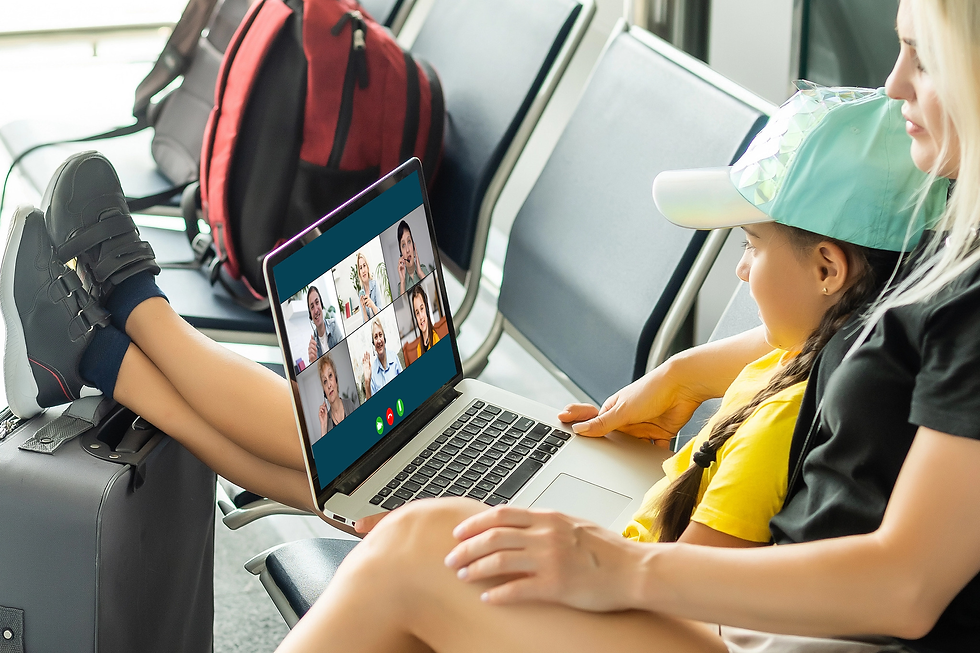
Travel days can become valuable learning opportunities with very little preparation. The key is choosing activities that are easy to start, require minimal supplies, and fit naturally into the journey.
A. At the Airport
Waiting for flights often provides time for reading, writing, and observation-based activities.
Children can:
Read a chapter of a book.
Write about where they are going.
Track flight times and destinations.
Research the city they are visiting.
Create a travel scavenger hunt.
B. In Hotels
Hotel stays can be surprisingly useful for independent learning.
Children might:
Keep a daily travel journal.
Read before bed.
Create a photo story from the day's adventures.
Practice budgeting for snacks or souvenirs.
Complete short learning challenges.
Families looking for interactive activities can also explore AI chatbots designed for curious young learners to encourage questions, discussions, and topic exploration during downtime.
C. On Road Trips
Long drives offer opportunities for learning that do not require screens or workbooks.
Try:
Audiobooks and family read-alongs.
Geography games.
License plate challenges.
Mental math activities.
Storytelling games.
Trivia based on places you pass.
The goal is not to fill every minute with academics. A few meaningful activities throughout the day can help children stay engaged, curious, and connected to learning while enjoying the journey.
Why Flexible Learning Schedules Work Better During Travel

One of the biggest advantages of roadschooling is the freedom to learn when it makes sense rather than following a strict timetable. Travel days can be unpredictable, and trying to force a traditional school schedule often creates unnecessary stress for both parents and children.
Instead of focusing on completing lessons at specific times, many traveling families focus on weekly learning goals. A child might read several chapters over the course of a week, complete a writing activity after visiting a landmark, or work on a STEM challenge during downtime at a hotel.
This approach gives families the flexibility to enjoy travel opportunities as they arise while still maintaining academic progress.
A flexible homeschool curriculum also allows children to learn at different times of the day. Some families prefer morning learning sessions before sightseeing, while others save reading, journaling, or project work for evenings.
The most successful traveling homeschool families understand that consistency matters more than perfection. Learning does not need to happen at the same time every day to be effective. Small, regular learning experiences often work better than trying to recreate a traditional classroom schedule while on the road.
Keeping Reading, Writing, and STEM Skills Sharp During Summer

Travel naturally creates opportunities for learning, but a little consistency can help children retain important academic skills throughout the summer.
1. Reading
Reading does not have to stop when families leave home. Children can read during flights, car rides, quiet mornings, or before bedtime. Travel-themed books, biographies, and destination guides can make reading feel connected to the journey itself.
2. Writing
Writing helps children process experiences and strengthen communication skills. A simple travel journal can become one of the most valuable learning tools during the summer.
Children can:
Record daily experiences.
Describe new places.
Write reviews of attractions.
Create stories inspired by their travels.
Families looking for additional writing support can explore AI-powered writing activities for young learners to encourage creativity and regular writing practice while traveling.
3. STEM
STEM learning can happen almost anywhere. Children can calculate travel distances, compare weather patterns, explore local ecosystems, study architecture, or solve real-world problems they encounter during the trip.
Students interested in deeper challenges can also explore The Presidential AI Challenge for student innovation and problem-solving, which encourages critical thinking and future-ready skills.
The goal is not to add more schoolwork to summer. It is to keep reading, writing, and problem-solving active so that children continue to grow while enjoying the experiences that travel provides.

Using Travel as a Real-World Learning Experience
One of the biggest benefits of homeschooling while traveling is that learning moves beyond books and screens. Children can see concepts in action, ask better questions, and connect what they learn to the world around them.
A visit to a historic site can make history tangible. Exploring a national park can spark conversations about science, geography, and conservation. Even navigating a new city can build problem-solving and critical-thinking skills.
Everyday Travel Experiences That Become Lessons
Travel Experience | Learning Opportunity |
Historical landmarks | History and research |
National parks | Science and nature |
Museums | Art, culture, and innovation |
New cities | Geography and community studies |
Local markets | Math, budgeting, and communication |
Travel also encourages observation, curiosity, and independent thinking. Children often remember lessons more clearly when they experience them firsthand rather than reading about them later.
Families who enjoy project-based learning can extend these experiences through AI-powered projects and research activities for students, allowing children to turn travel experiences into presentations, investigations, stories, and creative projects.
The best travel learning experiences often begin with a simple question: "Why is this here?" Encouraging children to explore those questions can transform a vacation into an unforgettable educational experience.
Financial Literacy and Life Skills Kids Learn While Traveling

Travel teaches far more than geography and history. It also gives children opportunities to develop practical life skills that are difficult to learn from a textbook alone.
From planning activities to making spending decisions, travel naturally introduces situations that encourage responsibility, problem-solving, and independence.
Financial Literacy in Real Life
Children can practice financial literacy for kids through simple travel experiences, such as:
Comparing prices before making purchases.
Creating a budget for souvenirs.
Tracking spending during a trip.
Calculating discounts and exchange rates.
Planning how to save for future experiences.
These activities help children understand the value of money while strengthening math and decision-making skills.
Life Skills That Grow Through Travel
Travel also helps children develop:
Time management.
Communication skills.
Adaptability.
Planning and organization.
Confidence in unfamiliar situations.
For example, asking for directions, reading maps, ordering food, or helping plan the day's activities all encourage children to become more independent.
Some families even encourage children to document their journeys through sketches, travel journals, and creative projects. Activities inspired by AI art and creativity tools for kids can help transform travel experiences into stories, visual projects, and creative reflections.
The lessons children learn while traveling often stay with them long after the vacation ends because they are connected to real experiences, decisions, and memories.
How AI Planners Help Parents Organize Learning in Minutes

One challenge of homeschooling while traveling is keeping learning organized without spending hours creating schedules and lesson plans. Between sightseeing, transportation, accommodations, and family activities, many parents simply do not have time to plan every learning session in advance.
This is where AI planning tools can help.
Instead of building detailed schedules from scratch, parents can create flexible learning plans based on travel days, destinations, and their child's interests.
A simple plan often works better than an overly structured schedule that becomes difficult to follow on the road.
For example, one day might focus on reading and journaling, while another centers around a museum visit, a STEM activity, or a research project connected to the destination.
Parents exploring long-term homeschool planning often review resources such as the Texas TEFA guide for homeschool and education planning while evaluating curriculum options, learning tools, and educational support for the year ahead.
The goal is not to create a perfect schedule. It is to make learning easy to continue, even when travel plans change unexpectedly.
Sample Daily Homeschool Routine for Traveling Families
One of the biggest benefits of roadschooling is that learning can fit around the trip rather than controlling it. Most traveling families do not follow a strict school timetable. Instead, they build small learning moments into the day.
A simple routine might look like this:
Time | Activity |
Morning | 15–20 minutes of reading or journaling |
During Travel | Audiobooks, geography games, or destination research |
Afternoon | Museums, nature walks, local attractions, or hands-on learning |
Evening | Reflection, creative writing, or project work |
The routine can change depending on the destination, travel schedule, and the children's ages. Some days may include more structured learning, while others focus almost entirely on experiential learning.
The key is consistency rather than perfection. Reading a few pages, writing about the day's experiences, or discussing what was learned during a museum visit can help children stay academically active without sacrificing the freedom that makes travel so valuable.
A flexible homeschool schedule template often works far better for traveling families than trying to recreate a traditional school day on the road.
Best Educational Activities Families Can Do During Vacations
The best travel learning experiences are often the ones children do not immediately recognize as "school." When activities feel like part of the adventure, children stay engaged while continuing to build important academic and life skills.
1. Keep a Travel Journal
Encourage children to write about places they visit, people they meet, and experiences they enjoy. This strengthens writing, observation, and communication skills.
2. Create a Destination Research Project
Before arriving somewhere new, ask children to research local history, landmarks, wildlife, or cultural traditions. This builds research and critical-thinking skills.
3. Turn Museums Into Learning Challenges
Instead of simply walking through exhibits, challenge children to find interesting facts, sketch artifacts, or identify connections between exhibits and topics they have studied. Families supporting different learning styles can also use AI tools for special education and personalized learning support to create flexible activities that match a child’s strengths, interests, and learning needs.
4. Try Geography and Mapping Activities
Let children track routes, calculate distances, identify states or countries, and plan travel stops. These activities help make geography more meaningful.
5. Build STEM Learning Into the Trip
Nature walks, national parks, science museums, architecture, and engineering landmarks all provide opportunities for STEM exploration.
6. Create Family Budget Challenges
Give children small budgeting tasks during the trip. They can compare prices, calculate costs, and make spending decisions while developing practical money-management skills.
The most effective educational summer activities for kids are simple, engaging, and connected to real experiences. When learning becomes part of the journey, children continue to develop skills without feeling as if they are completing another school assignment.
Why More USA Families Are Choosing Flexible Homeschooling in 2026

Homeschooling in the United States continues to evolve as families look for learning options that fit their lifestyles, schedules, and educational goals. For many parents, flexibility has become just as important as curriculum quality.
Instead of following a rigid academic structure year-round, families are choosing approaches that allow learning to happen at home, while traveling, during family experiences, and through real-world exploration.
What Families Are Looking For
Many parents want:
More personalized learning.
Greater schedule flexibility.
Less dependence on one-size-fits-all education.
Learning that adapts to different interests and abilities.
Tools that support both academic and life skills development.
This shift has contributed to growing interest in flexible homeschool curriculum options for 2026 and technology-supported learning experiences that can adapt as children grow.
Families exploring different educational paths often spend time researching providers, teaching approaches, and learning philosophies.
Learning more about LittleLit's approach to AI-powered learning for children can help parents understand how personalized learning tools are being used to support modern homeschooling.
As more families embrace location-independent lifestyles, roadschooling, and flexible learning routines, homeschooling is becoming less about where learning happens and more about creating meaningful educational experiences that work for each child.
How LittleLit AI Helps Families Learn Anywhere This Summer
Travel plans change. Some days are packed with activities, while others involve long drives, airport delays, or quiet evenings in a hotel room. LittleLit AI is designed to fit into those moments, making it easier for children to continue learning wherever summer takes them.
Instead of carrying multiple workbooks, subscriptions, and learning resources, families can access reading, writing, creativity, research, and project-based activities through one platform. Children can explore topics that interest them, practice important skills, and continue learning at a pace that works for them.
How LittleLit AI Supports Traveling Families
Reading and comprehension activities.
Creative writing and storytelling.
STEM and project-based learning.
Independent learning opportunities.
Age-appropriate AI literacy.
Flexible learning from any location.
Families planning their homeschool year can also explore LittleLit pricing options to see how AI-powered learning can fit into their educational goals and budget.
Whether your family is roadschooling across the country, taking a summer vacation, or simply looking for a more flexible approach to learning, LittleLit AI helps children stay curious, creative, and academically engaged without turning travel into a traditional school day.
Conclusion
Travel and learning can work together beautifully. With a flexible routine, meaningful experiences, and the right tools, children can continue building important skills while enjoying summer adventures.
Whether you're roadschooling full-time or simply taking a family vacation, small learning moments can help keep reading, writing, creativity, and critical thinking active throughout the break.
Ready to make learning part of the journey? Try LittleLit AI today and discover how children can stay curious, creative, and academically engaged from anywhere.
FAQS
Q1.What is the best way to homeschool while traveling?
The best approach is to combine a flexible routine with real-world learning experiences. Many families use reading, journaling, educational outings, project-based learning, and digital tools to maintain consistent learning while traveling.
Q2.Can you legally homeschool while traveling in the USA?
Yes. Homeschooling while traveling is legal in the United States, but families must continue following the homeschool laws and requirements of their home state. Requirements vary depending on where you are registered.
Q3.What is roadschooling, and how does it work?
Roadschooling is a form of homeschooling that combines travel with education. Children learn through destinations, museums, historical sites, nature experiences, books, projects, and everyday activities encountered during travel.
Q4.How do homeschool families prevent summer learning loss?
Many families prevent summer learning loss by maintaining short learning habits throughout the break. Reading, writing, STEM activities, educational games, and travel-based learning can help children retain important academic skills.
Q5.Can AI help organize homeschool schedules during travel?
Yes. AI tools can help families create flexible learning plans, suggest activities, organize projects, and adapt learning schedules around changing travel plans and daily routines.
Q6.What are the best portable homeschool activities for vacations?
Travel journals, audiobooks, destination research projects, reading challenges, STEM activities, geography games, and creative writing exercises are all excellent portable learning activities for vacations.
Q7.How many hours should kids study during summer travel?
Most children do not need several hours of formal learning each day during summer travel. Even 20–30 minutes of reading, writing, or educational activities can help maintain learning momentum.
Q8.Can travel count as part of homeschooling education?
Absolutely. Travel can support learning in history, geography, science, financial literacy, communication, and culture. Many homeschooling families intentionally use travel as part of their educational experience.
Q9.What life skills can kids learn while traveling?
Travel helps children develop budgeting, planning, communication, time management, problem-solving, adaptability, decision-making, and independence through real-world experiences.
Q10.What is the best homeschool curriculum for traveling families?
The best curriculum for traveling families is usually one that is flexible, portable, and accessible from different locations. Many families choose digital or AI-supported learning tools that allow children to continue learning without having to carry extensive materials.


