
LittleLit vs Abeka: Traditional Homeschool or AI-Powered Homeschool?

Updated: May 28

For many homeschooling families, the comparison littlelit vs abeka reflects a larger shift in how education is delivered at home. Abeka has long been trusted for its traditional, Christian, textbook-based approach built around workbooks, DVDs, and parent-led instruction.
At the same time, newer platforms like LittleLit AI are changing expectations by offering interactive, adaptive support through AI for homeschooling. Parents today are not just choosing curriculum, but also deciding how much flexibility, automation, and personalization they want in daily learning.
In this blog, we will compare Abeka and LittleLit AI across teaching style, workload, reading and language arts, faith alignment, cost, and how families use them either separately or together.
What Abeka Offers: Traditional Christian, Textbook-First Homeschooling

Abeka is a well-known Christian homeschool curriculum built around textbooks, workbooks, and teacher-led instruction. The Abeka curriculum follows a structured, grade-based path with clearly defined lessons and expectations. Parents typically guide daily learning, assign work, and handle grading, often using DVDs or video lessons alongside printed materials.
This reflects the traditional Abeka teaching method, which emphasizes consistency, repetition, and mastery through practice. Families who value a faith-centered approach and prefer a traditional homeschool curriculum with clear structure often feel comfortable starting with Abeka.
What LittleLit AI Offers: AI-Powered, Interactive Homeschool Support

LittleLit AI is designed to support modern homeschooling through adaptive, interactive learning. Instead of relying on textbooks or DVDs, LittleLit AI provides guided explanations, practice, and feedback that adjust to a child's responses.
This approach reflects an AI homeschool curriculum designed to support understanding rather than the completion of lessons. Parents use LittleLit AI to reduce daily teaching load while staying in control of pacing and focus areas.
Lessons feel conversational and responsive, using an AI tutor for kids to reinforce concepts, fill gaps, and support learners at different levels within the same household.
Interesting Read: The Best AI Education for Homeschoolers: Smarter Learning, Less Stress
Teaching Style: Teacher-Led Lessons vs Adaptive AI Tutoring

Two very different teaching philosophies shape how learning happens each day.
1. Abeka teaching style
Instruction is teacher-led and presentation-first. Children learn through textbooks, workbooks, and recorded lessons. Parents guide pacing, review work, and ensure mastery through repetition and structured practice.
2.LittleLit AI teaching style Learning is interactive and responsive. Lessons adjust as the child answers, offering explanations and practice in real time. Progress is guided by understanding, not by finishing a fixed lesson plan, using adaptive AI learning.
What does this mean for families? Abeka suits families who prefer traditional instruction and clear structure. LittleLit AI suits families who want flexibility and personalized support without rigid sequencing.
Daily Workload: Workbooks and Parent Grading vs Automated Feedback

1. With Abeka Daily learning relies on workbooks, written assignments, and scheduled lessons. Parents typically check work, manage grading, and track progress manually. The Abeka workload is predictable but time-intensive, especially across multiple subjects.
2. With LittleLit AI Practice and feedback happen automatically as the child learns. Explanations adjust in real time, and progress is recorded without manual grading, with AI-driven homework support.
Abeka requires consistent parent grading and oversight. LittleLit AI reduces daily workload through automated feedback and progress tracking.
Interesting Read: How AI Can Save Homeschool, Parents 20 Hours a Week
LittleLit vs Abeka: Overall Comparison Table
Category | LittleLit AI | Abeka |
Homeschool Style | AI-powered, interactive support | Traditional, textbook-first |
Teaching Method | Adaptive explanations and practice | Teacher-led lessons |
Curriculum Type | Secular, flexible | Christian, faith-based |
Daily Workload | Low parent grading | High parent grading |
Materials Needed | No physical books | Textbooks, workbooks, DVDs |
Reading & Language Arts | Adaptive reading and writing support | Strong phonics-based reading |
Pacing | Adjusts to child’s pace | Fixed, grade-based pacing |
Parent Control | High | High |
Setup Time | Quick digital setup | Manual setup required |
Cost Structure | Low monthly subscription | Higher annual package cost |
Best For | Flexible, modern homeschooling | Structured, faith-led homeschooling |
Abeka works best for families who want a traditional Christian homeschool with structured lessons. LittleLit AI works best for families who want flexibility, reduced workload, and adaptive AI support.

Reading, Writing, and Language Arts: How Each Program Handles It

Language arts is a major deciding factor for many families.
1.Abeka focus
The Abeka reading program is phonics-heavy and workbook-driven. Reading and writing follow a structured sequence with regular written assignments. Parents guide lessons, listen to reading, and correct written work to reinforce accuracy and consistency.
2.LittleLit AI focus
LittleLit AI supports reading and writing through guided prompts, practice, and feedback that adapts as the child responds. Writing focuses on clarity and improvement over time, supported by AI reading support for kids rather than fixed worksheets.
Abeka emphasizes repetition and structure. LittleLit AI emphasizes adaptability and skill reinforcement.
Faith and Values: Where Abeka and LittleLit Sit on the Spectrum

This difference matters deeply for many homeschool families.
1.Abeka
Abeka is built as a Christian homeschool curriculum. Biblical values, faith-based perspectives, and the Christian worldview are integrated into lessons across subjects. Families choosing Abeka often do so specifically for its faith alignment.
2.LittleLit AI
LittleLit AI is a secular homeschool support platform. It does not include religious instruction and is designed to be neutral, allowing families to add faith-based teaching separately if desired.
What this means? Abeka fits families seeking faith-integrated education. LittleLit AI fits families wanting academic support without religious framing.
Cost, Materials, and Setup: What It Takes to Get Started with Each
Getting started looks very different for these two options.
Area | Abeka | LittleLit AI |
Materials Needed | Textbooks, workbooks, teacher guides, DVDs | No physical materials |
Setup Time | High. Manual planning and organization | Low. Ready after sign-up |
Upfront Cost | Higher. Varies by grade and package | Low subscription-based |
Ongoing Costs | Replacement books, add-ons | One subscription |
Parent Setup Role | Extensive | Minimal |
Best Fit For | Families comfortable managing materials | Families wanting a quick start |
Abeka requires more preparation and physical resources. LittleLit AI is easier to set up and manage day-to-day.
Which Families Tend to Prefer Abeka vs LittleLit AI?
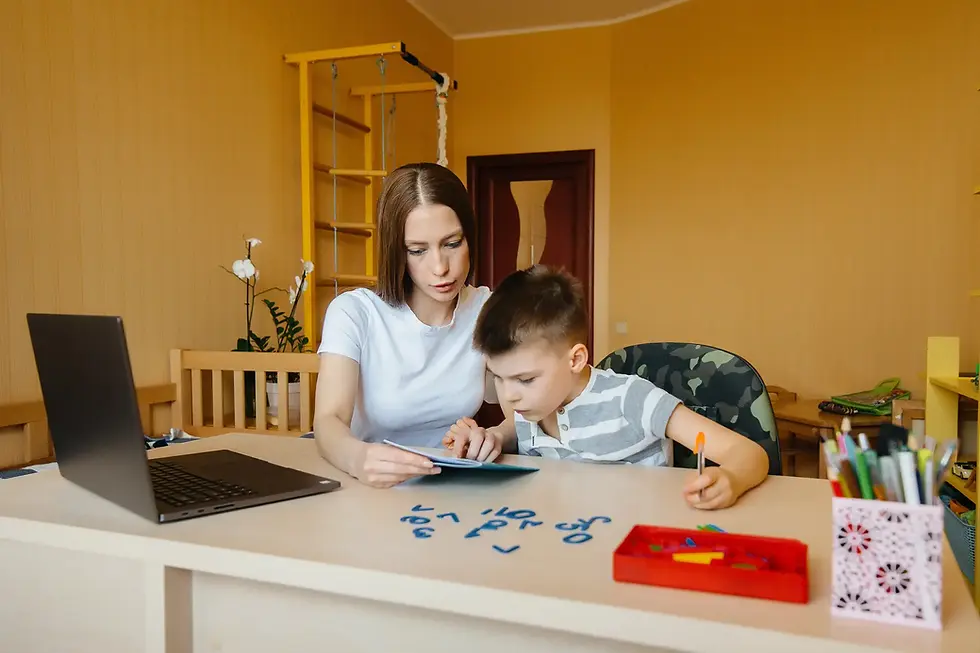
Different homeschool needs lead families toward different tools.
1. Families who often prefer Abeka These families value a faith-based approach and a traditional structure. They are comfortable using textbooks, following a fixed lesson plan, and managing daily grading. Parents who want a Christian homeschool curriculum with clear expectations often choose Abeka.
2. Families who often prefer LittleLit AI These families want flexibility and adaptive support. They prefer less paperwork, reduced grading time, and learning that adjusts to their child’s pace. Parents looking to modernize or simplify homeschooling often choose LittleLit AI.
Abeka suits structure-focused families. LittleLit AI suits flexibility-focused families.
Interesting Read: How AI Tutors Can Be Gamechangers for Homeschoolers
Using LittleLit Alongside Abeka if You Don’t Want to Fully Switch
Many families use both instead of choosing only one.
How do families combine Abeka and LittleLit AI?
Abeka is used for core instruction and faith-based lessons.
LittleLit AI is added for extra support in reading, writing, or practice.
AI tools help explain concepts without replacing the main curriculum.
This approach helps supplement the Abeka curriculum without disrupting routine.
Why this works? Parents keep Abeka’s structure and values while reducing grading load and adding adaptive support. LittleLit AI fills gaps where children need more explanation or flexibility, including support through AI tools for special education.
You don’t have to replace Abeka to benefit from LittleLit AI. Many families use it as a flexible add-on.

You Might Also Like
Conclusion
Choosing between Abeka and LittleLit AI comes down to how your family prefers to homeschool. Abeka works well for families who value a traditional, faith-based, textbook-first approach and are comfortable managing daily grading and materials. LittleLit AI suits families looking for flexibility, reduced workload, and adaptive support that adjusts to a child’s pace. Some families even use both, keeping Abeka for structure and values while adding LittleLit AI for extra help where needed.
Add LittleLit AI to your Abeka year or try it as a full replacement. Start a free trial and see what works best for your family.
FAQs
Q1.Which is better, Abeka or LittleLit AI?
Neither is better for everyone. Abeka suits families who want a traditional, Christian, textbook-based homeschool. LittleLit AI suits families who want flexible, adaptive support with less daily grading and planning.
Q2.What is Abeka homeschool?
Abeka is a traditional homeschool curriculum that uses textbooks, workbooks, and video lessons. It follows a structured, grade-based approach with parent-led instruction.
Q3.Is Abeka a Christian curriculum?
Yes. Abeka is a Christian homeschool curriculum with Biblical values integrated across subjects.
Q4.What is LittleLit AI?
LittleLit AI is an AI-powered homeschool support platform that provides interactive explanations, practice, and feedback that adapts to a child’s learning pace.
Q5.Does Abeka have live teachers?
No. Abeka uses pre-recorded video lessons and written materials. Parents remain responsible for guiding instruction.
Q6.How much time does Abeka take per day?
Abeka typically requires several hours per day, similar to a traditional school schedule, depending on grade level and subject load.
Q7.Do parents grade Abeka work?
Yes. Parents usually check assignments, grade workbooks, and track progress manually.
Q8.Is Abeka good for reading?
Yes. Abeka is well known for its phonics-based reading program, especially for early learners.
Q9.Is LittleLit a Christian curriculum?
No. LittleLit AI is a secular learning platform and does not include religious instruction.
Q10.Is Abeka religious?
Yes. Abeka is faith-based and teaches from a Christian worldview.
Q11.How much is Abeka per year?
Abeka costs vary by grade and package. Annual costs are typically higher due to textbooks, workbooks, and optional video programs.
Q12.Do I need to buy books for Abeka?
Yes. Abeka requires purchasing physical textbooks, workbooks, and teacher materials.
Q13.Is Abeka good for all learners?
Abeka works best for students who do well with structure and repetition. It may feel demanding for learners who need flexible pacing or adaptive support.
Q14.Can I use LittleLit AI with Abeka?
Yes. Many families use LittleLit AI alongside Abeka to supplement reading, writing, or practice without replacing their main curriculum.


