
Worried About Summer Slide? Top 5 Things to Do for Your Homeschooler in Summer

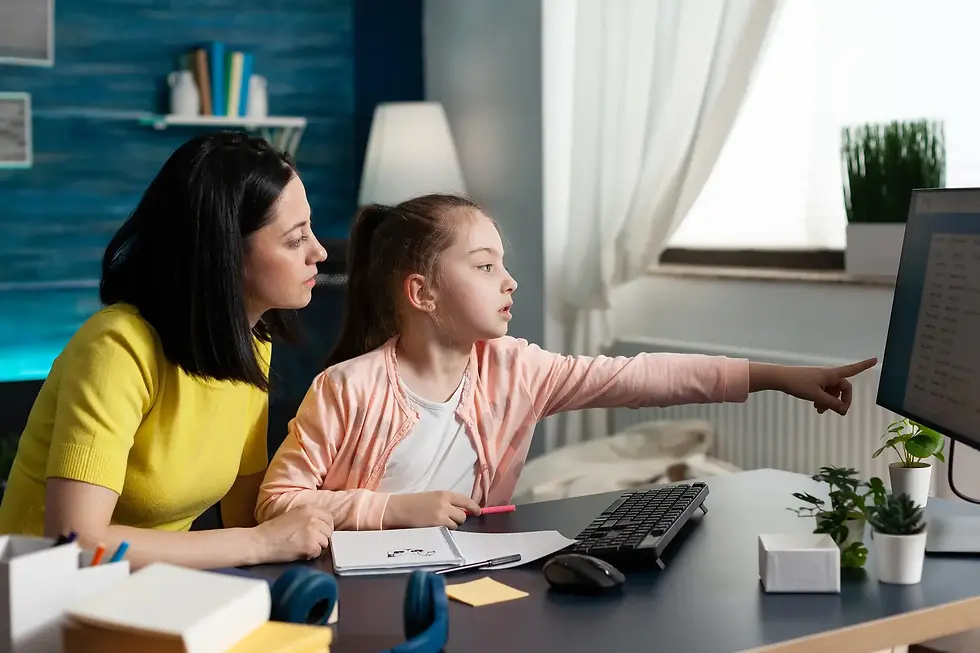
Summer often brings a sense of relief for homeschool families. The structure relaxes, routines shift, and learning feels less intense. But many parents quietly worry about one thing. Will their child forget what they worked so hard to learn? This is commonly known as the summer slide. Without consistent engagement, children can lose momentum in reading, writing, and math, making it harder to restart when the school year begins again.
The good news is that preventing summer slide does not require long study hours or rigid schedules. In fact, the most effective approach is simple, consistent, and flexible. By combining light academic practice with creativity, real world experiences, and the right use of AI tools, parents can keep learning active without making summer feel like school.
Why Summer Slide Happens in Homeschooling
Learning is like a muscle. When it is not used, it weakens over time. During summer, children often move away from structured thinking and practice. This is not a problem in itself, but without some level of consistency, foundational skills like reading fluency, writing clarity, and math accuracy can decline.
In homeschooling, where learning is more personalized, this gap can feel more noticeable. Teaching AI literacy for kids during this time can help maintain engagement while keeping learning light and flexible.
1. Keep Daily Reading Simple and Consistent
Reading is one of the easiest and most powerful ways to maintain learning. Even a short daily reading habit can prevent regression and improve comprehension over time. The key is to keep it enjoyable. Let your child choose books that interest them rather than assigning rigid reading lists.
Consistency matters more than duration. A focused reading session each day helps maintain vocabulary, fluency, and understanding without feeling overwhelming.
2. Build Writing Through Low Pressure Practice
Writing often declines quickly without practice, but it does not need to feel like an assignment. Daily writing can be as simple as journaling, short reflections, or describing daily experiences. Creative writing is especially effective during summer because it allows children to express ideas without pressure.
Tools such as the AI writing coach for kids can support this process by helping children expand ideas, improve clarity, and stay engaged with writing in a natural way.
3. Maintain Math Through Light Daily Practice
Math skills require consistency, especially when it comes to foundational concepts. A simple approach is to revisit worksheets or practice material from the previous year. This reinforces concepts without introducing new pressure.
Spending even a short amount of time each day on math keeps the mind active and prevents gaps from forming. The goal is not to move ahead but to stay sharp and confident.
4. Balance Structure with Creativity and Exploration
Summer should not feel like a continuation of the school year. It is a time for creativity, exploration, and real world learning. Activities such as STEM projects, art, travel, and hands-on experiences allow children to apply what they have learned in meaningful ways.
Programs like AI projects for K–12 students can turn curiosity into structured exploration. Whether it is building something, experimenting with ideas, or exploring new topics, this type of learning keeps children engaged without feeling repetitive.
Travel is also a powerful learning tool. It introduces new environments, cultures, and experiences that naturally expand a child’s understanding of the world.
5. Focus on Life Skills and Future Readiness
Summer is the perfect time to build skills that go beyond academics. Financial literacy, communication, problem solving, and community awareness are all essential life skills that often get less attention during the school year.
Teaching AI literacy for kids is especially important during this time. Children can learn how to use AI responsibly, explore ideas, and develop critical thinking skills. Resources such as student AI safety and ethics learning help children understand how to engage with technology thoughtfully.
Platforms such as LittleLit provide an accessible way for children to continue learning during travel or flexible summer schedules. This ensures that learning remains consistent even when routines change.
What a Balanced Summer Really Looks Like
A productive summer is not about long hours of study. It is about consistency, balance, and meaningful engagement. A short period of focused learning each day combined with creativity, exploration, and life skills can prevent summer slide while keeping children motivated.
The goal is not to recreate school. It is to maintain momentum in a way that feels natural and sustainable.
FAQs
What is summer slide in homeschooling
Summer slide refers to the loss of academic skills when children take a long break from consistent learning.
How much should my child study during summer
Even one hour of focused learning each day is enough to maintain skills and prevent regression.
Is reading enough to prevent summer slide
Reading is very effective, but combining it with writing and math practice provides better results.
Can AI help prevent summer slide
Yes. AI tools can support reading, writing, and exploration while keeping learning flexible and engaging.
Should summer feel like school for homeschoolers
No. Summer should feel relaxed and flexible while still maintaining light, consistent learning habits.


